Pasadena Rodent Infestation Control: Hillside Subarea Entry, Structural Soil Damage & Hidden Risk
Rodent infestations in hillside properties rarely begin with noise. They begin underground. In Pasadena hillside neighborhoods such as Linda Vista and surrounding San Gabriel Valley elevations, layered soil, mature vegetation, irrigation density, and historical plumbing modifications create environmental conditions that allow rodent populations to establish beneath structures long before occupants recognize the warning signs. By the time odor is detected inside a living space, the environmental host conditions may already be active within crawlspaces, attics, and foundation perimeters. This is not simply a rodent issue. It is a structural environmental risk condition.Hidden Biological Escalation: Why Removal Alone Is Not Enough
Rodents are environmental responders. They follow scent memory, pheromone trails, moisture zones, sewer access lines, and vegetative cover. When populations repeatedly access a structure, biological residue accumulates in insulation, framing cavities, subareas, and ventilation channels. Once that biological buildup forms, removing visible animals does not immediately remove the attractant condition. In hillside properties, this hidden biological layering may include:- Urine-saturated insulation
- Subfloor contamination
- Ventilation restriction
- Sewer branch vulnerabilities
- Structural soil density changes
- Abandoned pipe penetrations
Pasadena Hillside Sewer Rat Entry Risk
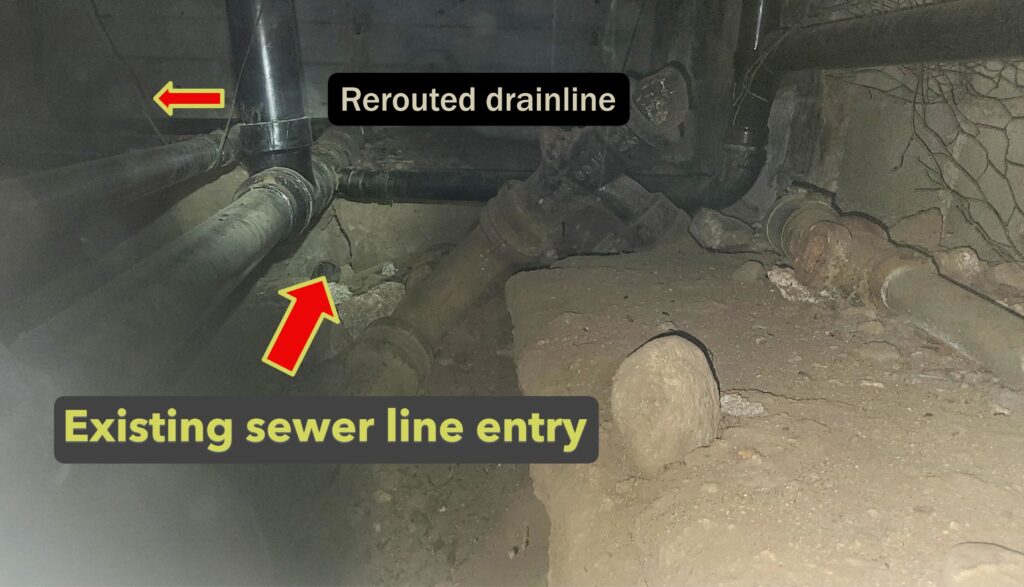
One of the most overlooked structural risk factors in older Pasadena homes is historical plumbing rerouting. In hillside remodels, sewer lines are sometimes redirected due to stair additions, foundation adjustments, or grading changes. When original exit penetrations are not fully sealed or abandoned branch lines remain connected underground, sewer rats may access crawlspaces through compromised infrastructure.- Access occurs below finished surfaces
- Crawlspaces are blocked or partially sealed
- Vent screens are buried by soil or siding
- Drain discharge systems are improperly modified
Rodent Burrow Structural Soil Damage
Hillside properties contain layered soil profiles influenced by moisture cycles and irrigation patterns. Burrowing rodents alter compacted soil density beneath foundations and retaining edges.- Foundation-edge settlement
- Hardscape shifting
- Irrigation misalignment
- Retaining wall pressure changes
- Planter bed collapse
Attic Contamination & Pheromone Saturation
In long-term infestations, attic insulation may retain urine pheromones and nesting debris for years. This biological memory acts as a recurring attractant. When DIY poison is used in attic spaces, rodents frequently return to nesting cavities and die in inaccessible framing zones. The result is odor infiltration into conditioned living space.Crawlspace Ventilation Failures
Hillside landscaping, concrete walkways, and siding modifications often reduce proper crawlspace ventilation. When foundation vents are buried or partially obstructed, moisture and odor concentrate.- Bacterial buildup
- Organic decay persistence
- Odor pressure toward living space
- Attractant signal retention
Field Report: Structural Environmental Inspection in Pasadena Hillside Property
This inspection overview explains how sewer access vulnerabilities, crawlspace ventilation compromise, and attic contamination overlap in hillside rodent cases.When Rodent Activity Becomes an Emergency
- Odor penetrates living areas
- Multiple entry points are sealed improperly
- Sewer branch lines are suspected compromised
- Insulation contamination is extensive
- Exterior vegetation density remains unmanaged
Integrated Environmental Rodent Inspection Protocol
- Sewer line vulnerability assessment
- Crawlspace airflow analysis
- Attic contamination evaluation
- Exterior harborage mapping
- Structural soil density observation
- Entry exclusion sequencing plan
Frequently Asked Questions – Pasadena Rodent Infestation & Sewer Rat Risk
Can sewer rats enter crawl spaces in Pasadena hillside homes?
Yes. Older hillside properties may contain historical plumbing reroutes, abandoned sewer branches, or compromised pipe penetrations that allow sewer rats to access crawl spaces below the structure. Professional inspection can determine whether underground entry points are contributing to infestation.Why does rodent odor continue after trapping?
Odor often persists due to biological residue such as urine saturation in insulation, nesting material, or inaccessible wall cavities. Removing rodents alone does not eliminate pheromone buildup or contamination inside attic and crawl space environments.Can rodent burrowing cause structural soil damage?
Yes. Burrowing activity may alter compacted soil density near foundations and retaining edges. Over time, this may contribute to settlement, irrigation misalignment, and structural-edge instability in hillside properties.Is DIY poison safe for attic rodent problems?
Using poison in attic spaces frequently results in rodents dying inside inaccessible framing areas. This may create prolonged odor issues and hidden contamination. Structured inspection and removal protocols are recommended instead of unmanaged bait placement.How do I know if sewer lines are contributing to rodent infestation?
Signs may include recurring crawl space droppings, unexplained odor near subareas, and rodent activity despite exterior exclusion repairs. A sewer scope inspection may be recommended if underground branch connections are suspected.Related Questions Pasadena Property Owners Ask
What attracts rodents to hillside homes?
Hillside properties often contain layered soil, dense vegetation, irrigation moisture, and hidden structural penetrations that create ideal harborage conditions. When environmental access overlaps with subarea entry points, infestation risk increases.
Can abandoned plumbing lines cause rodent infestations?
Yes. Historical plumbing reroutes or improperly sealed penetrations may create concealed subarea access points. Rodents may use these vulnerabilities to enter beneath structures without visible exterior openings.
Why does rodent odor come through subarea vents?
Biological residue such as urine saturation, nesting debris, and airflow restriction may concentrate odor in crawlspace or subarea environments. When ventilation is compromised, odor pressure may move upward into living areas.
How do I know if structural soil has been compromised?
Signs may include shifting hardscape, foundation-edge settlement, irrigation misalignment, or repeated burrowing activity near retaining walls. A structured inspection can evaluate soil density conditions near the foundation perimeter.
Do subarea inspections include plumbing evaluation?
Professional structural rodent inspections may include evaluation of pipe penetrations, abandoned branch lines, and subarea access conditions when infestation patterns suggest underground vulnerability.
Schedule Structural Rodent Inspection
If rodent odor, soil destabilization, or recurring infestation is present, early structural evaluation reduces long-term escalation.
All Track Exterminators
1055 E. Colorado Blvd.
Pasadena, CA 91106
Phone: 626-344-2464
Pasadena Gopher Damage Inspection & Removal Services
Rodent Control Pasadena