Local Pasadena Rodent Infestation Control: Hillside Abandoned Plumbing To Rat Nest Risk Subarea Entry
If your Pasadena home sits near a hillside, canyon slope, or heavy vegetation line, rodent problems are rarely isolated. Structural gaps, blocked vents, and abandoned plumbing routes can create hidden subarea entry and nesting risk.
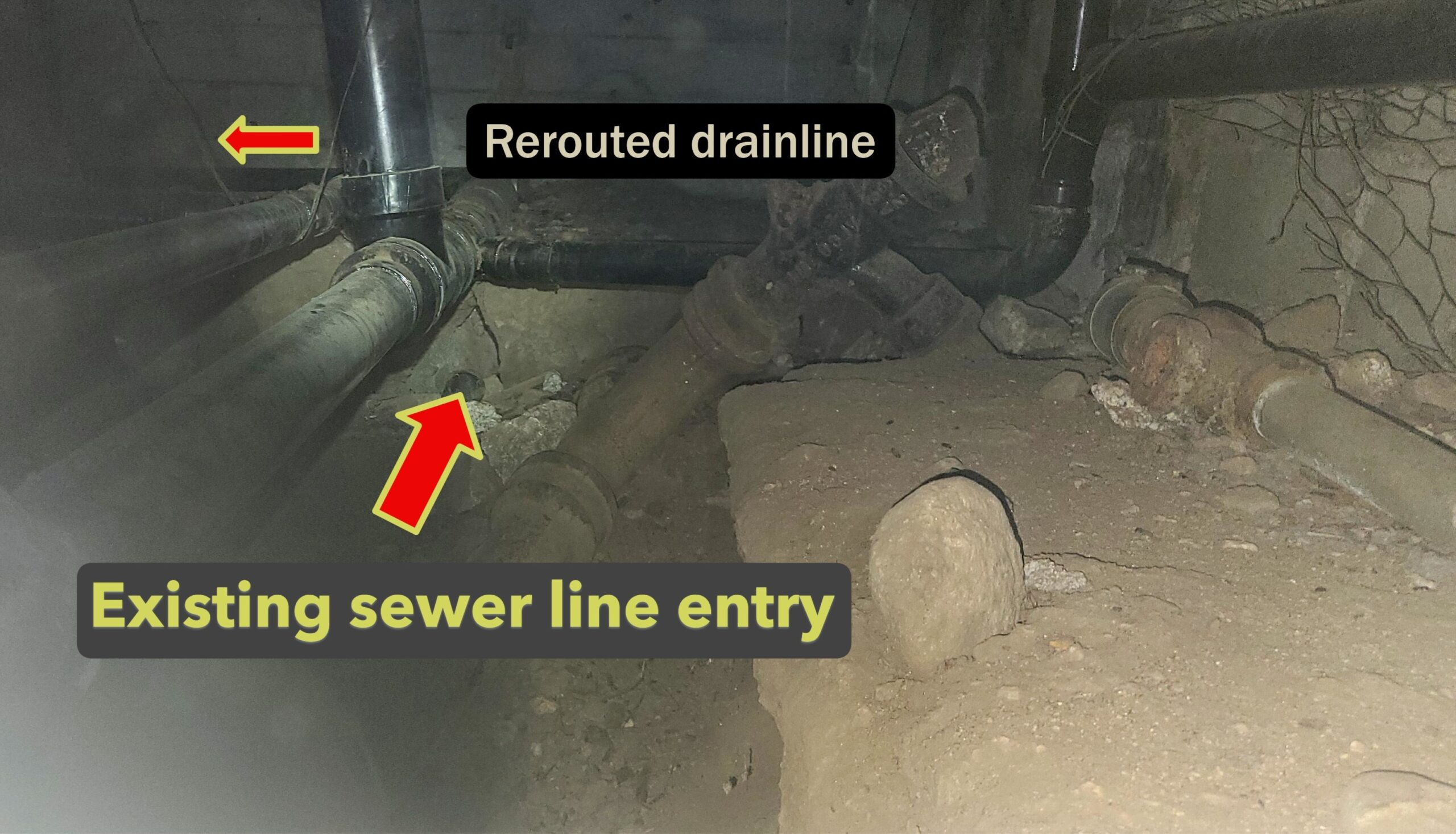
Caption: Subarea inspection revealing structural vulnerability and rodent entry risk in Pasadena hillside property.
Why Hillside Rodent Problems Escalate in Pasadena
Hillside and canyon-adjacent properties often face higher exterior rodent pressure because the environment supplies cover, food sources, and protected travel corridors. When a structure has hidden vulnerabilities—like buried vents, blocked airflow, or abandoned plumbing penetrations—rodents can establish subarea nesting zones that are not visible from the living space.Abandoned Plumbing and Sewer-Route Risk
One of the most overlooked Pasadena rodent infestation causes is plumbing history. When older sewer exits are rerouted, partially removed, or left with voids and gaps, rodents can exploit those routes—especially sewer rats. Even when the visible pipe is moved, an old penetration or void can remain, creating a concealed access zone into the subarea.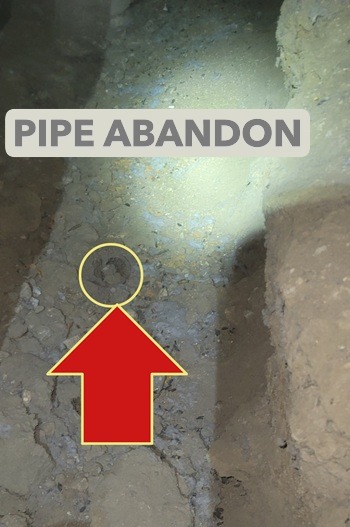
Subarea inspection of a former sewer pipe revealing active and potential rat structural contamination point.
Subarea Nesting Risk and “Rat House” Conditioning
When a structure has hosted rodents for years, scent markers, urine salts, and biological residue can remain in the attic, subarea, and wall voids. This is why a property can continue attracting rodents even after entry points were “patched.” Without sanitation and a staged exclusion plan, the environment stays conditioned for reinfestation.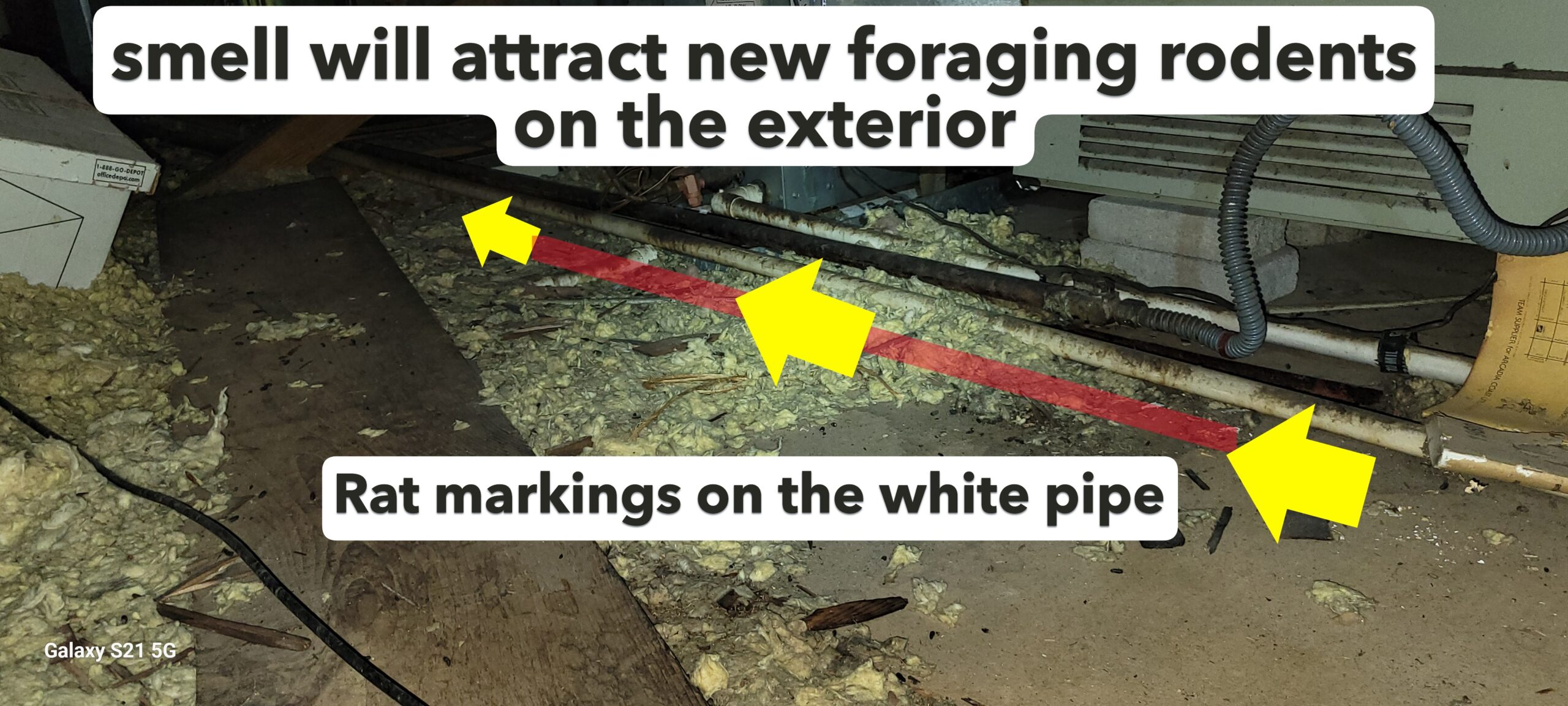
Subarea inspection revealing active contamination and potential sewer rat structural entry point.
Why “Poison First” Often Creates Odor and Hidden Contamination
A common Pasadena scenario: a homeowner uses poison, odor begins, but the animal cannot be located. Rodents often return to a nesting area and die in a void that is not accessible. This increases odor, biological exposure, and can trigger new insect and secondary issues as the environment breaks down.Foundation Video View (Embed)
Hillside homes in Pasadena and the San Gabriel Valley face elevated sewer rat pressure due to dense vegetation, retaining walls, buried plumbing transitions, and decades of prior infestations. The video highlight some of the hillside pressure, subarea entry risk, abandoned plumbing routes, and structural contamination indicators.Field Inspection Required: Pasadena hillside rodent infestation control requires inspection of subarea conditions, ventilation limitations, and plumbing-route vulnerabilities before sealing or applying removal steps.
Common Signs You Need Pasadena Rodent Infestation Control
Q & A
Is hillside rodent activity different from regular neighborhood infestations?
Yes. Hillside properties often have increased exterior pressure from vegetation corridors and slope edges. When combined with hidden structure vulnerabilities—like blocked vents or abandoned plumbing penetrations—rodent activity can repeat even after basic sealing attempts.Can abandoned plumbing routes really cause repeat rodent infestations?
Yes. Sewer-route transitions and old penetration voids can act as concealed entry zones. A sewer camera scope and subarea inspection can help confirm whether pipe history is contributing to repeat activity.Why does odor get worse after using poison?
Rodents often return to nesting areas and die in inaccessible voids, increasing odor and biological contamination. A structured inspection-first plan reduces this risk and prevents displacement.What is the safest order for professional remediation?
Reduce active pressure, confirm entry routes, address nesting zones, plan sanitation, then perform staged exclusion. Sealing too early can force rodents into new areas of the structure or nearby vehicles.