
Pasadena Ant Control
Why Do Ants Keep Coming Back After Pest Control? What a Foundation Treatment May Miss
Recurring ant activity may continue when the treatment area is limited to the foundation, but the property conditions supporting the ants extend beyond it.

Professional ant treatment addresses visible ant activity. A complete property inspection helps identify the exterior conditions that may continue supporting recurring ant problems.
Quick Answer
Ants may return after a recent pest control service when the visible activity was treated, but the surrounding property was not fully inspected. Hollow block walls, bushes, trees, mulch, irrigation, moisture, fallen fruit, and conditions on neighboring properties may continue providing ants with food, water, shelter, and protected travel routes.
A homeowner may schedule pest control, receive a treatment around the foundation, and still notice ants returning days or weeks later. This does not always mean that nothing was done. It may mean that the service addressed only one part of a larger property environment.
The foundation is an important area to inspect and treat, but ants do not necessarily live beside the foundation. They may be nesting or traveling through landscaping, hollow walls, tree roots, mulch beds, irrigation areas, block-wall voids, or neighboring vegetation.
Ants don’t live by the treatment boundary—they respond to the property’s environmental conditions.
A Foundation Treatment Covers Only One Area
Treating around the exterior foundation can help reduce ants attempting to enter a home. However, it does not automatically identify where the ants originated or what continues supporting their activity elsewhere on the property.
If the service does not include a broader inspection, conditions several feet away from the structure may remain unnoticed. Worker ants can continue moving between a colony, a water source, a food source, and the home through routes outside the treated area.
Understanding recurring ant activity requires looking beyond the point where ants are seen inside.
Hollow Block Walls Can Become Part of the Ant Environment
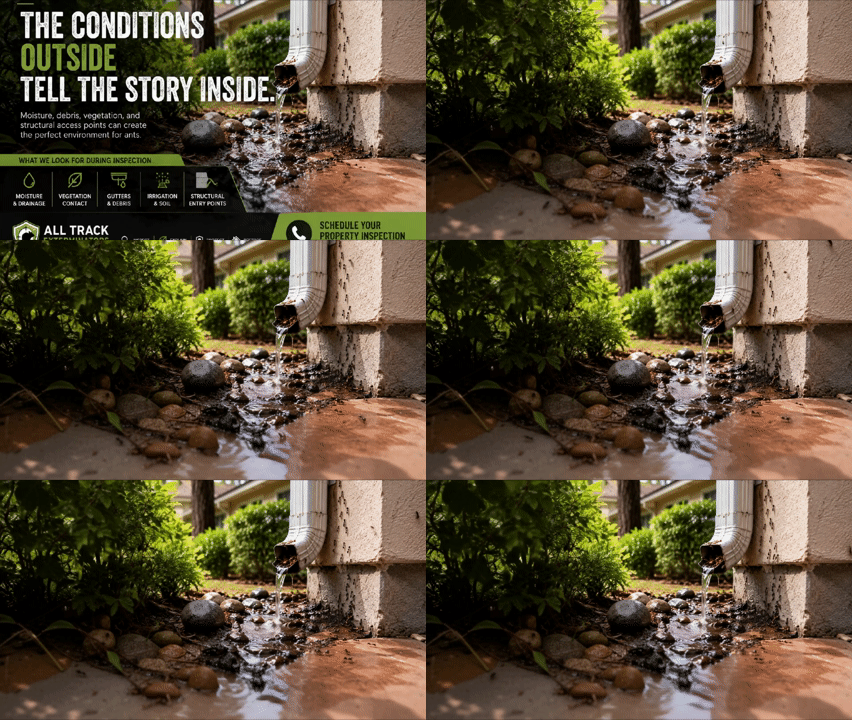
Concrete block walls are common throughout Pasadena and the San Gabriel Valley. They may separate backyards, support raised planters, divide commercial properties, or run behind several homes.
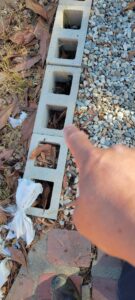
Many block walls are constructed with hollow cores. Depending on how the wall was built and the conditions around it, these internal spaces may provide protected areas for ant movement or nesting. Surface treatment along the home may not reach activity occurring inside or alongside a wall located elsewhere on the property.
A block wall may separate property ownership, but it does not necessarily separate pest activity. The wall can connect multiple yards, each with its own landscaping, irrigation, vegetation, moisture, and maintenance conditions.
Bushes, Trees, and Mulch Can Support Ant Activity
Vegetation planted near a block wall can create shade, retain moisture, and conceal ant trails. Bushes may touch the wall or extend between neighboring properties. Tree branches can create travel routes, while roots may provide protected areas beneath the soil.
Decorative mulch can also influence the environment. Mulch helps soil retain moisture and may create protected ground-level spaces where ants can travel without being easily noticed.
These individual conditions may appear unrelated, but together they can create an environment that continues supporting ant activity after the foundation has been treated.
Water Becomes Especially Important During Summer
Pasadena summers are commonly hot and dry. During these conditions, dependable moisture around a property can become especially attractive to ants.
Potential moisture sources may include:
- Drip irrigation systems
- Lawn sprinklers
- Leaking hose connections
- Air-conditioning condensation
- Overwatered planter areas
- Moist soil beneath mulch
- Small plumbing leaks
A small, consistent moisture source can help maintain ant activity even when the surrounding landscape appears dry.
Fruit-Bearing Trees Can Provide an Outdoor Food Source
Citrus, fig, peach, plum, avocado, and other fruit-bearing trees are common around local homes. As fruit ripens, becomes damaged, or falls to the ground, it may provide food for ants and other insects.
A fruit tree near a block wall, irrigation line, or dense vegetation may create several supporting conditions in the same area: food, moisture, shade, roots, and protected movement.
Treating only the foundation does not remove these conditions. The ants may continue foraging outside and eventually discover another path toward the home.
Neighboring Properties May Affect What Happens in Your Yard
One side of a block wall may be dry and well maintained, while the other side contains thick bushes, fallen fruit, irrigation, mulch, or tree roots. Ants respond to the combined resources available across that environment.
A pest control technician may not have access to the neighboring property, but recognizing how the properties connect can still improve the inspection. Ant trails, vegetation, wall openings, moisture, and movement patterns may provide clues about activity extending beyond the immediate treatment area.
Why the Entire Property Should Be Considered
A broader ant inspection may include the foundation, block walls, retaining walls, planters, trees, bushes, mulch, irrigation, moisture sources, fruit-bearing vegetation, utility openings, and visible ant trails.
Not every property will contain every condition. The purpose of the inspection is to identify which conditions are actually present and how they may be connected.
Effective ant management begins with understanding the property supporting the activity—not simply treating the location where the ants were last seen.
Are Ants Returning After a Recent Treatment?
All Track Exterminators evaluates the conditions around the property that may be contributing to recurring ant activity.
Call (626) 344-2464 Explore Our Ant Control ServiceWhy Do Ants Keep Coming Back?
Read the complete All Track Exterminators guide to understanding and preventing recurring ant infestations.
Read the Complete Ant Guide
Frequently Asked Questions
Why do ants return after a foundation treatment?
Ants may continue returning when colonies, food, water, shelter, or travel routes remain active beyond the treated foundation area.
Can ants live inside hollow block walls?
Hollow block walls may provide protected spaces for ant movement or nesting, depending on the wall construction and surrounding conditions.
Can mulch and irrigation contribute to ant problems?
Mulch can retain moisture, while irrigation can provide dependable water. Together with vegetation and shelter, these conditions may support ongoing ant activity.
Can fallen fruit attract ants?
Ripe, damaged, or fallen fruit can provide an outdoor food source that encourages ant foraging around fruit-bearing trees.


