

Why “Eco-Friendly” Rat Laws May Be Endangering Your Pets (And Not the Way You Think)
Author: Pasadena Rodent All Track Exterminator Services
As a professional pest control provider in Pasadena, we’ve seen firsthand the consequences of weakened rodenticide laws. A recent opinion piece in the San Francisco Chronicle argues for stricter regulations on rodent baits. While protecting wildlife like hawks and owls is important, the article ignores a serious local reality:
When the tools to knock down rodent populations are restricted, rats multiply—bringing coyotes, raccoons, and disease right into our neighborhoods.
The “Predator Draw” Effect: More Rats = More Coyotes, Including “Mountain Lions”
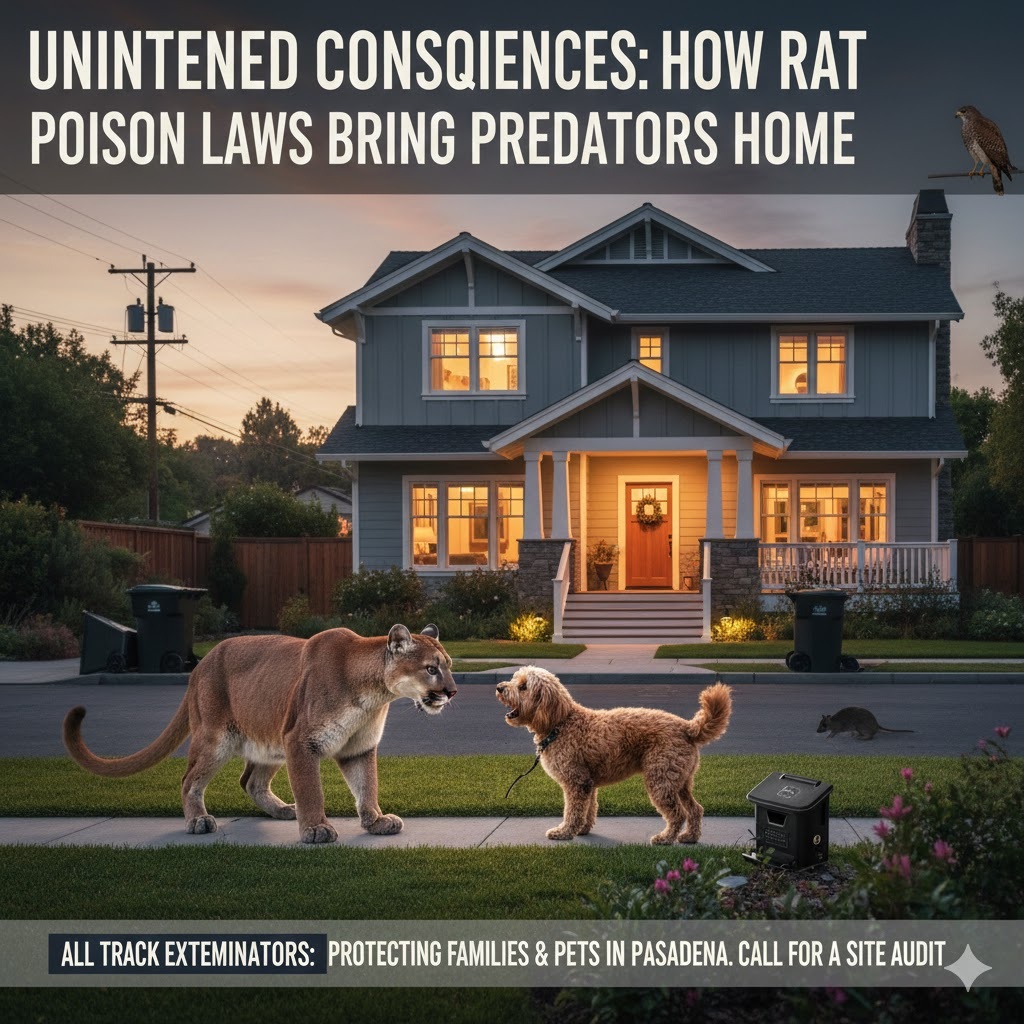
Rats are a major food source for wildlife. Just two rats can create dozens of offspring annually. If baits are weak or unappetizing, the rat population explodes—and with it comes:
- Raccoons & Opossums: Bringing fleas, ticks, and potential disease.
- Coyotes & Mountain Lions: Following the scent and movement of rats, they enter residential zones.
Problem: Coyotes don’t stop at rats and people. They attack pets. We’ve seen it time and again in Pasadena, Altadena hillside, and the Rose Bowl Golf Course area homes—furry friends vanish in the night because predator behavior follows the food chain.
The “Toxic Snack” Trap
Weaker baits aren’t just ineffective—they’re dangerous. Here’s why:
- Professional Approach: High-strength, single-feed baits in tamper-proof containers = quick knockdown with minimal environmental impact.
- Legislated Approach: Mild baits = slow poisoning. Sick, slow-moving rats become toxic snacks for birds of prey and pets.
This makes the problem worse for ecosystems, not better.
Health Impacts That Can’t Be Ignored
Rats aren’t just pests—they’re public health threats. They’re known to carry fleas infected with:
- Typhus
- Salmonella
- Hantavirus
- Even Plague bacteria
We’ve worked with Pasadena restaurants shut down due to rat activity. When tools fail, local businesses and families pay the price.
How We Really Protect Pasadena Homes
Our strategy goes beyond baiting. It’s full-spectrum, eco-conscious, and proven:
✔️ Harborage Reduction
We eliminate junk, trim overgrowth, and remove hiding spots from your yard.
✔️ Structural Exclusion
We seal every gap, hole, or opening to stop entry before it happens.
✔️ Strategic Baiting Zones
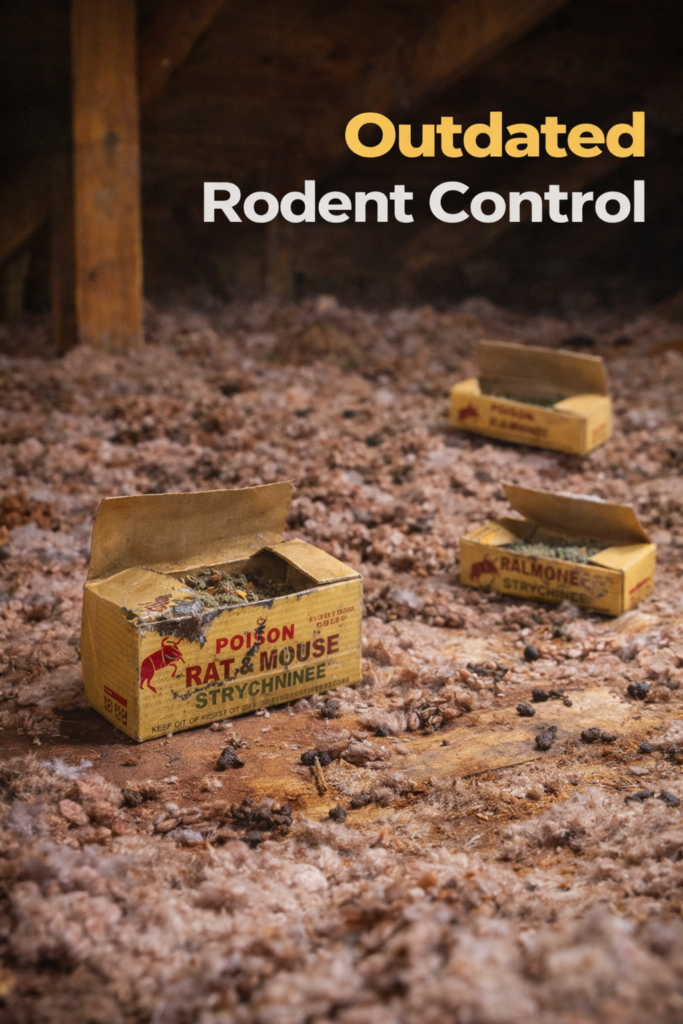
We use professional-grade tools only around the perimeter—not in the attic or kitchen—ensuring control without risk.
The Takeaway
Professionals need access to professional tools. Rolling back rodenticide strength and
Formulation across the board helps no one, and it makes Pasadena homes less safe.
Let’s stop playing politics with public health. With the right tools and strategies, we can protect wildlife, pets, families, and local businesses—without compromise.
Need help now? Call All Track Exterminators at (626) 344-2464 for a Rodent Audit.
Frequently Asked Questions
What rodenticides are banned in California?
California has banned certain second-generation anticoagulant rodenticides (SGARs) for general use. Professionals can still access some under strict guidelines.
Are rodent baits safe for pets?
Not all baits are the same. We use tamper-proof, locked stations that prevent pet or child exposure.
Is attic baiting recommended?
No. We never place baits in attics. This leads to long-term odor issues and ineffective treatment. Our method focuses on outdoor, perimeter-based protection.
Why are more coyotes showing up in Pasadena?
High rodent activity due to ineffective bait laws draws coyotes into neighborhoods looking for food.
What should I do if I see rat droppings?
Call a professional immediately. Droppings are a health risk and often the first sign of a growing infestation.


