
Local Pasadena • South Pasadena • San Gabriel • Expert Termite Prevention Strategy
Pasadena Local Preventive Termite Treatment (No Move-Out) vs
House Tenting
How attic & subarea wood protection reduces long-term damage (and helps many homes avoid tenting)
Homeowners usually hear about termites at the worst time: right when a painter, contractor, or repair crew finds
soft wood, swollen trim, or hidden damage that stops the job. The plan and budget were set—then the project stalls
because the structure wasn’t evaluated first.
This guide explains a practical, inspection-first approach used by experienced termite professionals:
reduce risk early by evaluating moisture conditions and protecting high-risk wood zones
(especially attics and subareas) so tenting becomes less likely—and when tenting is needed, it’s decided
with clarity instead of panic.
On this page
When house tenting is the right call
Why moisture damage is the first thing inspectors look for
What preventive wood treatment means (attic & subarea)
Owner “memory triggers” that often lead to hidden termite risk
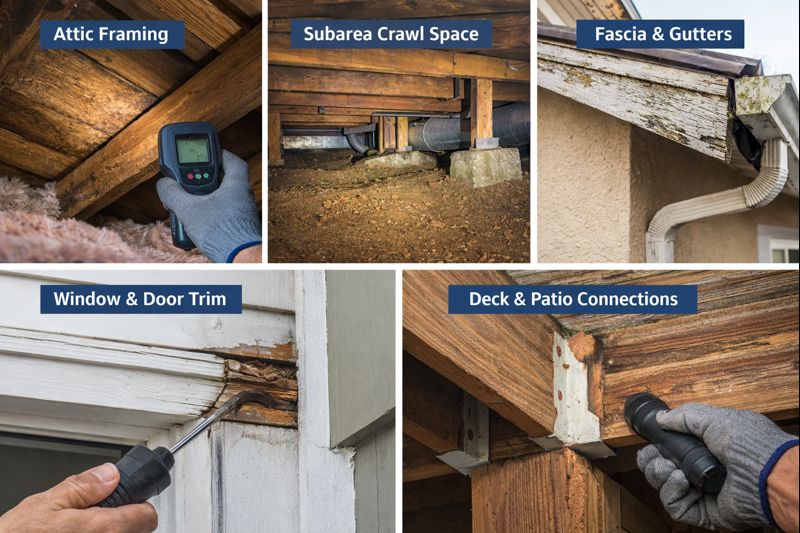
When house tenting is the right call
Tenting can be appropriate in certain situations—especially when the type of termite activity and distribution
requires a whole-structure approach. But tenting is often treated as the default because it’s familiar, not because
the property was evaluated for prevention options first.
Authority rule: The right decision starts with inspection scope.
A termite plan should be based on the structure, the evidence, moisture conditions, and where activity is actually occurring.
A complete inspection helps answer the questions that matter:
- What type of termites are present (if any), and what evidence supports that?
- Is there a moisture history that created “selection conditions” for termites?
- Are the highest-risk wood zones accessible for preventive protection?
- Are there repair zones that will be sealed/painted—potentially hiding future damage?
If you want the moisture-first framework that drives this evaluation, read this related page:
Pasadena Termite Control: Why Moisture Damage Comes First
.
Why moisture damage is the first thing inspectors look for
Termites don’t “announce” themselves to homeowners. The early warnings are usually structural and environmental:
damp wood, repeated repairs, swollen trim, staining, soft fascia, or a history of leaks.
Moisture changes wood conditions—sometimes years after the original event. A past roof leak, gutter overflow, tub or
shower plumbing repair, a laundry flood, or poor subarea ventilation can keep wood damp or softened. That can make
certain areas more vulnerable over time, especially in concealed zones where damage stays out of sight.
What homeowners often miss
- Leaks get repaired, but surrounding wood is not evaluated.
- New wood gets installed, but the conditions that caused damage remain.
- Fresh repairs get painted over, masking early warning signs.
- Decks, balconies, and exterior trim get sealed without assessing adjacent moisture pathways.
What preventive wood treatment means (attic & subarea)
Preventive termite treatment is not a shortcut. It’s a planning decision:
protect accessible high-risk wood zones before problems expand into costly, disruptive repairs.
In many Pasadena-area homes, two zones matter the most for prevention planning:
- Attics (exposed framing near rooflines, eaves, and ventilation pathways)
- Subareas / crawl spaces (wood near moisture, soil proximity, plumbing routes, and ventilation limits)
A prevention plan typically starts with:
- Inspecting evidence and mapping risk zones
- Checking moisture history and current moisture conditions
- Identifying accessible exposed wood suitable for preventive protection
- Prioritizing first failure points (rooflines, fascia, decks, subarea routes, ventilation constraints)
Plain-English difference:
Tenting addresses established conditions across a whole structure when required.
Prevention is designed to reduce the chances of termites selecting the property’s most vulnerable zones in the first place.
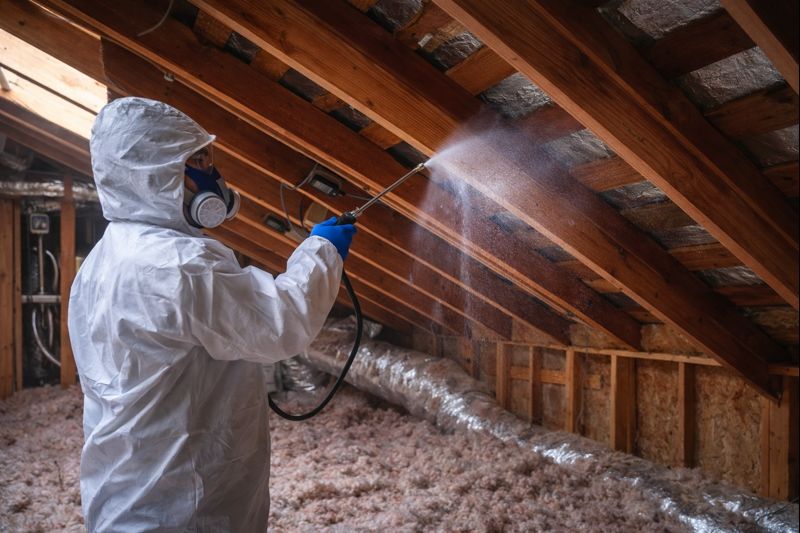
Owner “memory triggers” that often lead to hidden termite risk
Many termite discoveries happen after a homeowner remembers a past event that “seemed resolved” at the time.
These questions help surface risk history:
- Roof repairs: Did you repair a roof leak in the last 1–10 years?
- Plumbing events: Did a pipe burst, tub/shower leak, or laundry flood get repaired?
- Gutters: Have you seen gutter overflow or water staining near fascia/trim?
- Exterior repairs: Was fascia, trim, or siding replaced after water damage?
- Deck/balcony: Have there been cracks, soft wood, or repeated sealing/painting cycles?
- Stucco/foundation: Any exterior cracks or drainage issues that keep areas damp?
How to plan the right termite strategy
Here is a clean order of operations that protects homeowners from expensive discovery during repairs:
- Inspect first: confirm evidence, map risk zones, and clarify what’s actually happening.
- Evaluate moisture: identify past events and current conditions that affect wood vulnerability.
- Choose scope: prevention plan for accessible high-risk zones (attic/subarea) where appropriate.
- Decide escalation: only after scope is clear should tenting be considered (if needed).
Pasadena termite inspection + prevention planning
If you want a termite strategy designed to prevent costly surprises during painting, repairs, or renovations,
start with an inspection-first evaluation.
Learn more about our termite services here:
Termite Control
And read the moisture-first guide here:
Pasadena Termite Control: Moisture Damage Comes First
FAQ
Is house tenting always necessary for termites?
Not always. The right approach depends on the termite type, extent of activity, and the structure’s conditions. An inspection-first plan helps determine whether targeted prevention, repairs, or whole-structure treatment is appropriate.
What is preventive termite treatment in attics and subareas?
Preventive treatment focuses on protecting accessible exposed wood and high-risk zones (like attics and subareas) so termites are less likely to select those areas. Methods and scope should be chosen after an on-site inspection.
Why does moisture damage matter so much?
Moisture can keep wood softened or vulnerable—sometimes long after a leak or plumbing event was fixed. That’s why experienced inspectors often start with moisture indicators and risk history.
Can preventive wood treatment guarantee I’ll never need tenting?
No approach can guarantee outcomes for every property. Preventive treatment can reduce risk, especially when paired with moisture correction and a proper inspection scope, but decisions should be based on what is found at your structure.
Educational note: This page is general information intended to support inspection planning and decision-making.
It is not medical, legal, or engineering advice.


