
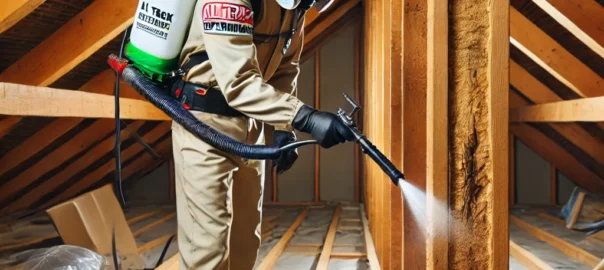
Stop Termite Swarming Now Before It Destroys Your Home Pasadena
Imagine losing your dream home to an invisible enemy: Every year, termite swarming costs American homeowners over $5 billion in property damage. Recognizing the signs early can be the difference between minor repairs and devastating structural loss. This comprehensive guide exposes the realities behind termite swarmers and empowers you with the practical steps needed to protect your property now—without unnecessary tent fumigation.
The Unseen Threat: Why Termite Swarming Demands Immediate Attention
“Did you know that termite swarming causes over $5 billion in property damage each year in the United States?”
Termite swarming is an urgent issue that many homeowners underestimate—often until it’s too late. Unlike other pests, a termite swarm is not just a seasonal nuisance; it is a vivid warning that a colony is nearby, searching for a new place to invade. The sight of hundreds or thousands of winged termites, known as termite swarmers, signals not just their current presence but a high risk for developing a serious termite infestation. Left unchecked, these infestations can lead to structural damage, expensive repairs, and compromised safety.
Swift action is crucial when you see swarming termites. These events typically happen suddenly, often triggered by specific weather conditions or seasonal changes. Homeowners who spot a swarm must act quickly, as the swarm indicates an active and mature termite colony nearby or even inside your walls, floors, or foundation. Within weeks or months, termite swarmers can establish new colonies that silently devour structural wood day and night.

What You’ll Learn About Termite Swarming
- The basics of termite swarming and termite swarmers
- Key differences between subterranean termites and drywood termites during swarming season
- How to identify termite swarms and signs of infestation
- Effective pest control strategies that don’t require tent fumigation
- Immediate steps if you spot swarming termites
- Expert advice on protecting your home from a termite infestation
Termite Swarming Explained: What Homeowners Need to Know
What Is Termite Swarming and When Does It Occur?
Termite swarming is the process by which mature termite colonies produce winged adult termites, called termite swarmers or alates, which leave their underground or indoor nests to find new sites to establish fresh colonies. These swarmers are reproductive termites—unlike the worker termites that remain hidden while foraging for food, they emerge en masse at certain times of year. Swarming season generally occurs during the warmer months, commonly triggered by a combination of rising temperatures, increased moisture, and changes in light—often after heavy rainfall and during spring or early summer mornings.
Swarming serves a critical function in the lifecycle of termite colonies: it spreads their genetic material and enables them to expand and colonize new areas, including the wooden structures in your home. Homeowners typically spot termite swarms near light sources such as windows and doors, as termite swarmers are attracted to light. Recognizing a swarm early is the best place to start for effective termite control and can help stop an infestation before severe structural damage sets in.
Termite Swarmers vs. Worker Termites – Key Differences
Termite swarmers are the only caste in a termite colony designed for reproduction and dispersal. Unlike worker termites—which are pale, wingless, and remain underground or within wood—swarmers have dark bodies and two pairs of long, equal-sized wings. These wings are often shed soon after landing. Workers are responsible for building tunnels, collecting food, and caring for the colony, while swarmers exist solely to start new termite colonies. Recognizing these differences is vital: the presence of winged termite swarmers inside your home suggests that a mature colony is present, while only seeing workers may indicate ongoing but not yet severe infestation.

Understanding the Swarming Season: Months and Conditions for a Termite Swarm
Swarming season typically peaks in spring and early summer, although local climate and termite species affect the exact timing. Subterranean termites usually swarm in March through May, especially after warm rains, while drywood termites may swarm late summer into fall. Termite swarms occur under specific environmental triggers like warm temperatures, high humidity, and changes in light conditions (such as after storms or when rooms are suddenly lit). Because swarms usually last for just a few hours, they are easy to miss—yet their timing means any sign of swarming termites should prompt a rapid termite inspection by a pest control professional.
| Comparison of Termite Species and Swarming Patterns | |||
| Termite Species | Typical Swarming Season | Swarming Triggers | Common Entry Points |
|---|---|---|---|
| Subterranean Termite | Spring (March–May) | Warm rains, high humidity, morning sunlight | Foundation cracks, expansion joints, vent openings |
| Drywood Termite | Late Summer–Fall | Overnight warmth, interior lighting, dry seasons | Attics, eaves, wood siding, attic vents |
| Wood Termites (General) | Varies by type and climate | Rain, rising temperatures, increased moisture | Window frames, door jambs, exposed wood |
Recognizing a Termite Swarm: Visual Signs and Droppings
- How to spot termite swarmers around windows and doors
- What termite droppings look like
- Winged swarming termites vs. ants: identification tips
- Common entry points for subterranean termites and drywood termites
The most common signs of a termite swarm include the sudden appearance of dozens or even hundreds of winged insects near windows, light fixtures, or doors—especially after rain or during warm mornings. Termite swarmers often gravitate toward these light sources and may drop their delicate wings in piles on sills or along baseboards. These wings are a crucial clue, as no other wood-destroying pests, including ants, leave behind such wing clusters.
In addition to swarmers and wings, check for tiny, pellet-shaped droppings (frass), especially from drywood termites, which push these droppings out of small holes in wood surfaces. These droppings are often mistaken for sawdust or sand. Another key sign is the presence of mud tubes along the foundation or inside crawl spaces, often created by subterranean termites moving between their nest and their food source. Knowing the difference between termites and ants (ants have bent antennae and unequal wings) helps determine if you have a real termite swarm problem or a less serious pest issue.

Common Myths About Termite Swarming and Pest Control
“Not all homes with termite swarming need to be tent fumigated – effective local treatments exist.”
A widespread myth is that every case of termite swarming requires disruptive and costly tent fumigation. In reality, many homes can be treated effectively with localized or non-fumigant techniques. Another misconception is that swarming termites mean your house is guaranteed to be suffering from a full-scale termite infestation. Sometimes, the swarm originated outside or from a neighbor’s yard, and immediate tenting may be unnecessary.
Additionally, some believe termites are attracted only to homes with water damage or visible decay, but even well-kept and dry structures can fall victim. Others think spot treatments never work, but advances in pest control, including baits and localized liquid applications, have made these highly effective under many circumstances. Using a professional for a comprehensive termite inspection helps determine the right course and ensures you avoid both overreaction and inadequate intervention.
What Causes Termite Swarming? Understanding the Triggers
Weather Patterns, Temperature, and Moisture
Termite swarms are highly sensitive to environmental cues. Warm temperatures following periods of moisture, such as after spring rainfall or increased humidity, signal to matured termite colonies that conditions are perfect for swarming. Moisture softens the soil for subterranean termites and creates inviting conditions inside homes for drywood termites. These factors—combined with rising ambient temperatures and changing light conditions—induce mass emergence. That’s why the start of the swarming season is often marked by a single warm, sunny day after rain, turning your garden or foundation into a launch pad for thousands of termites.

Why Termites Swarm: Reproduction and Colony Growth
Termites swarm for survival and expansion. Mature colonies produce winged reproductive termites once they grow large enough (typically 3–5 years old and housing thousands of termites). These termite swarmers leave their natal colony in response to favorable weather and crowding. The swarmers, including both males and females, pair off after flight, shed their wings, and search for moist, protected places to start new colonies. This reproductive strategy is what makes termite infestations so persistent; if even a handful of swarming termites succeed, they can restart the cycle and build a colony capable of causing devastating structural damage to your property.
Immediate Steps to Take When You Discover Termite Swarming
- Stay calm and don’t disturb the termite swarm: Swarmers are not dangerous to humans but disrupting them scatters the evidence and complicates effective treatment.
- Collect swarmers for identification: Gently capture a few dead or live swarmers using a tissue or small container for pest identification.
- Seal entry points if safe: If you see obvious cracks or holes, close them to slow further entry, but avoid blocking access for pest control professionals.
- Document the infestation with photos: Take clear photos of swarmers, wings, and frass to assist in professional assessment and insurance claims.
- Contact a pest control professional specializing in termite swarming: Only an expert termite inspection can determine whether the infestation is local or widespread and recommend an appropriate treatment—not always tent fumigation!

Why Termite Swarming Does Not Always Mean a Tent Fumigation Is Needed
Effective Localized Pest Control Treatments for Swarming Termites
Modern pest control options now allow for highly targeted solutions. Localized treatments—including foam or liquid termiticides, dust applications, and termite baiting systems—can be strategically applied to affected wood, wall voids, or soil without disrupting your entire home. Many termite swarms stem from isolated colonies that can be eliminated with these focused measures, especially if the termite infestation is detected early. Pest management companies often tailor their approach to your home’s construction, infestation size, and specific termite species, ensuring maximum success with minimum hassle.
Taking this approach is more affordable, less disruptive, and often avoids the risks (and hassle) of tenting and vacating your property. A comprehensive termite inspection is vital to assess the extent of activity and choose between localized and whole-house solutions.
When is Tent Fumigation Necessary for a Termite Swarm or Infestation?
Tent fumigation is only necessary for the most severe or widespread drywood termite infestations, when colonies are inaccessible or scattered throughout the structure. Signs that tenting may be required include extensive damage in multiple rooms, live termites discovered in hidden areas during inspection, or repeated infestations after previous treatments. Qualified pest control professionals use extensive diagnostics, moisture meters, and advanced detection tools to determine if tenting is the safest option. For most single-room discoveries, garage infestations, or newly discovered swarming termites, local treatment is usually effective and less invasive.
Best Long-Term Strategies to Prevent Termite Swarming and Infestation
- Regular home inspections for termite activity
- Moisture control and gutter maintenance
- Prompt repair of leaky pipes and roofs
- Professional termite barriers and treatments
- Reduce wood-to-soil contact near your foundation
Prevention starts with vigilance. Seasonally scheduled termite inspections by professionals—including visual checks and advanced monitoring systems—catch colonies before severe termite swarming occurs. Maintaining dry conditions by fixing leaks, cleaning gutters, and ensuring proper drainage cuts off termite attractants. Professional installation of liquid or bait-based termite barriers creates lasting protection for your home’s perimeter, keeping both subterranean termites and drywood termites at bay. Always minimize wood-to-soil contact by using non-wood landscaping materials and raising wood structures above the ground to reduce entry points for termites.

Expert-Backed Termite Swarming Pest Control Solutions for All Property Types
“Comprehensive pest control for termite swarming requires more than just tenting; targeted solutions are often more effective and less disruptive.”
Whether you own an older craftsman, a new build, or a multi-unit property, tailored pest management is available for every situation. Termite swarming demands a multipronged approach, starting with accurate species identification, followed by a targeted termite treatment plan that addresses your home’s unique vulnerabilities. Combining the power of professional inspections, modern chemicals, and environmental modifications keeps termite colonies from ever taking hold. For many, the best results come from integrating both preventive and curative measures—regular monitoring, moisture management, and expert-applied treatments—ensuring swarms, infestations, and costly damages are kept at bay all year round.
Consulting experienced pest control professionals ensures homeowners avoid unnecessary, disruptive tent fumigation and receive the most effective, least invasive treatments available today.
People Also Ask: Key Questions About Termite Swarming
What to do if you see termites swarming?
Remain calm, collect a sample for ID, don’t disturb the termites, and contact a pest control expert to assess whether localized or extensive treatment is needed.
Do swarming termites mean infestation?
Swarming termites are often a sign of a nearby colony but not always an in-home infestation. Proper inspection is necessary to confirm.
What triggers a termite swarm?
Warm temperatures, increased moisture, and changes in light trigger termite swarming, especially at the start of swarming season.
What month do termites swarm?
Peak termite swarming generally occurs in spring (March through May) but varies by species and climate; subterranean termites may swarm after warm rains.
Frequently Asked Questions About Termite Swarming
- How long does a termite swarm last?
A termite swarm can last from a few minutes to a few hours, depending on weather conditions and the size of the colony. Most swarms are over in less than one hour but signal the presence of a mature colony that may continue to be active and damaging. - Are termite swarmers dangerous to humans or pets?
No, termite swarmers are not harmful to humans or pets. They do not bite, sting, or carry diseases. Their primary purpose is reproduction and colony formation; however, the damage they lead to in homes can be dangerous structurally. - How can I tell if a termite problem is severe?
Severity is judged by the frequency and size of swarms, evidence of ongoing activity (such as mud tubes, wood damage, or frass), and the presence of swarmers inside living spaces. A professional termite inspection gives the most reliable assessment.
Key Takeaways: Protecting Your Home from Termite Swarming
- Termite swarming signals possible colony activity – act quickly
- Visual IDs and professional inspections are essential
- Targeted pest control can be effective without tent fumigation
- Preventative measures are key for long-term protection
Conclusion: Stop Termite Swarming Before It’s Too Late
Don’t wait for severe damage—recognize the signs of termite swarming, take immediate action, and combine modern pest control with preventive steps to defend your home for years to come.
Contact Your Professional Pest Control Expert – Get On Track With… All Track Exterminators Call 626-344-2464
For immediate, expert guidance and effective termite swarming solutions customized for your home, contact All Track Exterminators at 626-344-2464. Take control before termites do!
Understanding termite swarming is crucial for homeowners aiming to protect their properties from potential infestations. The article “What is a Termite Swarm? | When Do Termites Swarm?” by Orkin provides detailed insights into the swarming behavior of termites, explaining the conditions that trigger these events and the implications for property owners. (orkin.com) Additionally, “Termite Swarmers – What Do They Mean for You?” by NC State Extension Publications offers valuable information on identifying swarmers and the necessary steps to take upon their discovery. (content.ces.ncsu.edu) If you’re serious about safeguarding your home from termite damage, these resources will equip you with the knowledge needed to recognize and respond to termite swarming effectively.


